
Published: 11/08/2024 By Angela Gillibrand
Did you know that today would have been the birthday of celebrated author Enid Blyton?A one-time resident of Dorset, loved by children but often vilified by the BBC, Enid Blyton was a complex character, as Angela Gillibrand reports.
Whenever I imagine Enid Blyton, I think of someone a little like Joyce Grenfell – all jolly hockey sticks, jam and toast around the open fire, and lashings of ginger beer as she pens her stories about Noddy and Big Ears; but the reality is quite different. Her books were international bestsellers, selling over six hundred million copies in 90 languages, despite criticism that the stories were unchallenging. Some libraries and schools banned the works, and the BBC refused to broadcast her stories because of their perceived lack of literary merit. Undaunted, Blyton let the public decide, and the books continued to top the bestsellers’ list until her death in 1968.
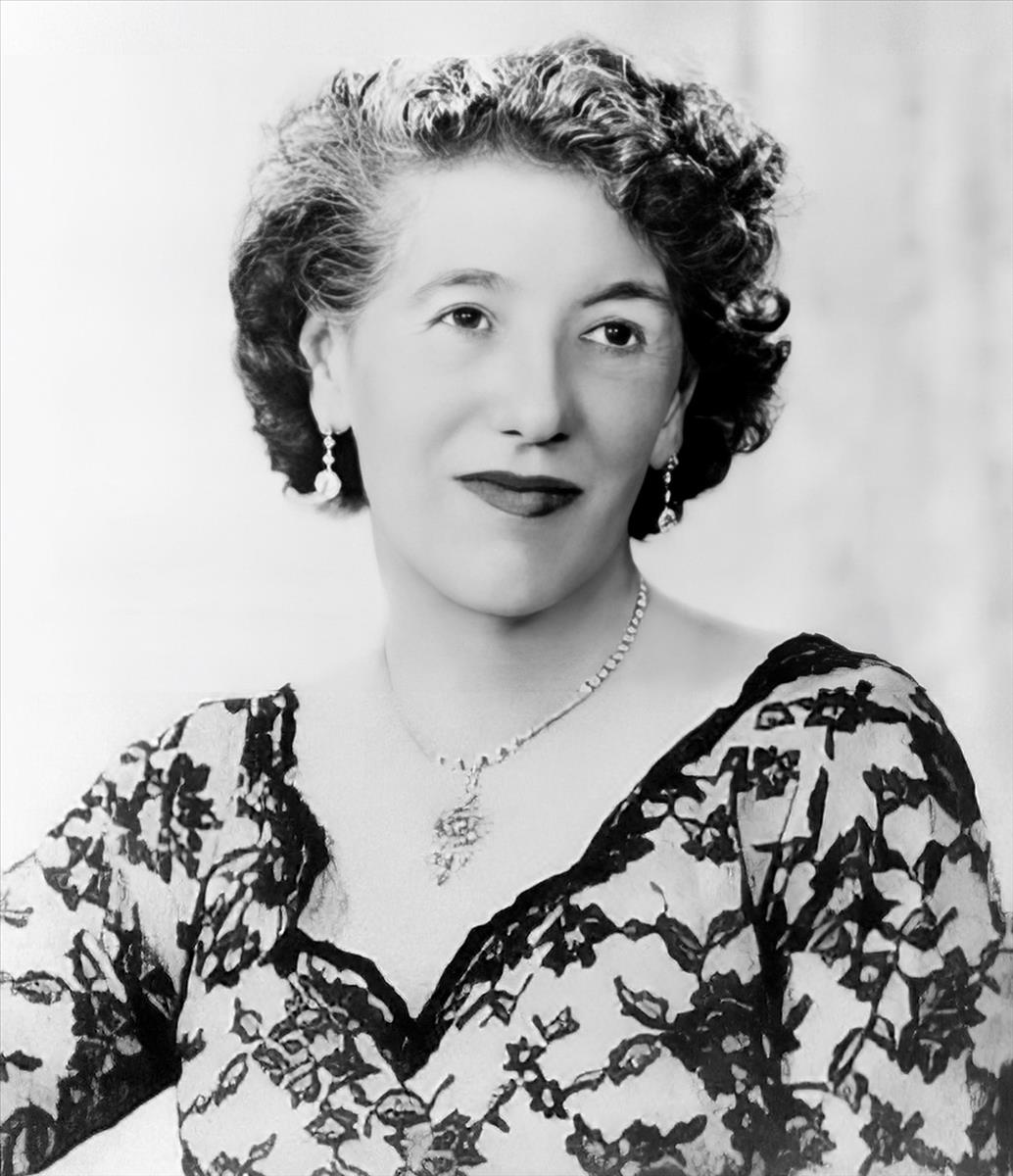
Her private life was quite risqué. She married Major Alexander Pollock in 1924, in a registry office with no family invited. They married just after his divorce from his first wife but, by the mid-1930s, possibly suffering from post-traumatic stress disorder from his experiences in the First World War, he became an alcoholic and started a romantic relationship with his secretary, Ida Crowe.
Enid Blyton, according to Crowe’s memoir, also had a series of affairs, one a lesbian relationship, but the most lasting was with a London surgeon, Kenneth Waters. Pollock discovered the affair and threatened to expose her adultery, which would not have helped her image as a children’s author, so they agreed on terms for a divorce.
Blyton and Waters were married in 1943 and bought Manor Farm in Dorset, but she was already displaying signs of dementia and I feel sure unconnected was her penchant for playing tennis naked – nude tennis as it was known. One wonders what the village folk thought!
Many of her books have been updated to reflect modern politically progressive attitudes towards race, violence amongst children, and punishments meted out by adults. Teddy bears and goblins have replaced golliwogs, children are scolded not spanked, and there are no names like Dick and Fanny!
It is an odd feeling, to find the classics of your childhood are not as you remember. Whether you agree with the changes is, of course, personal but rather than buy a new edition I will scour the second-hand bookshops for an original.
This article is on P60 of Country Matters 2024, which you can find below. Alternatively, please call your nearest Symonds & Sampson office to collect your free copy. The magazine also includes an article written by Giles Wreford-Brown who uncovers a tale or two written in the Dorset village where Blyton once lived.