
Published: 25/06/2024 By Jan Merriott
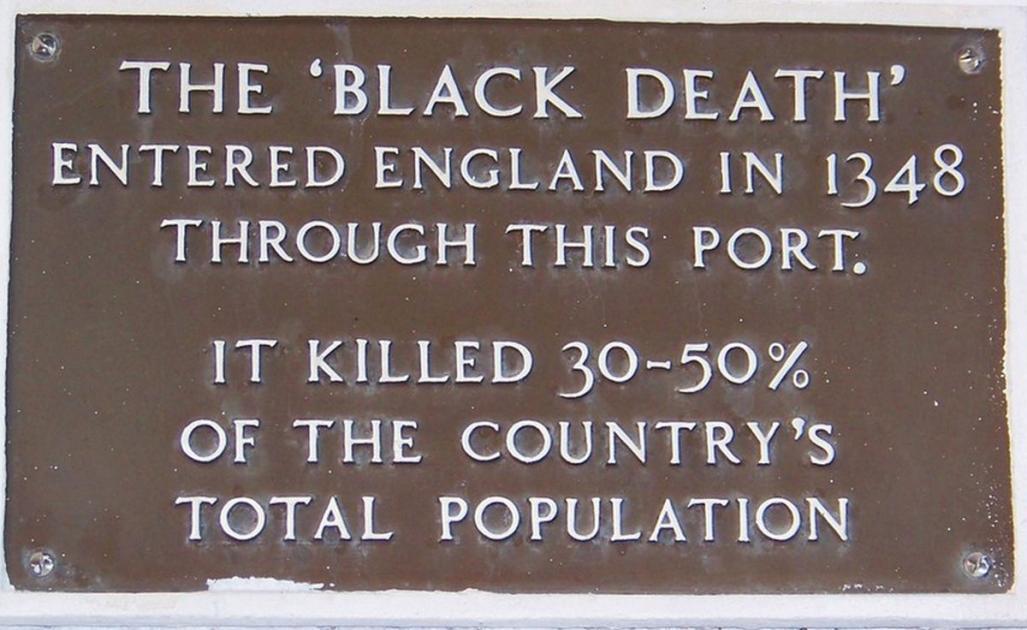
In an article in our award-winning magazine, Country Matters, Jan Merriott, Commercial Manager explains how Weymouth was on the frontline of one of history’s deadliest pandemics, The 'Great' plague or 'The Black Death' as it popularly recalled, which was brought ashore from a sailing vessel docking in Weymouth harbour on 25 June 1348,The Black Death that swept through Europe from 1347 to 1351 entered through the then-major port of Weymouth. This devastated the English population, and with no one left to do the work, this heralded the beginning of the end of a form of bonded slavery, serfdom. Out of abject misery and death, we got social mobility!
Most historians now think the Black Death was a highly infectious disease known as bubonic plague and the first recorded outbreak was in central Asia in the early part of the 1300s. From there, the disease seems to have travelled along the trade route known as the Silk Road, reaching Kaffa in the Crimea on the Black Sea in 1343.
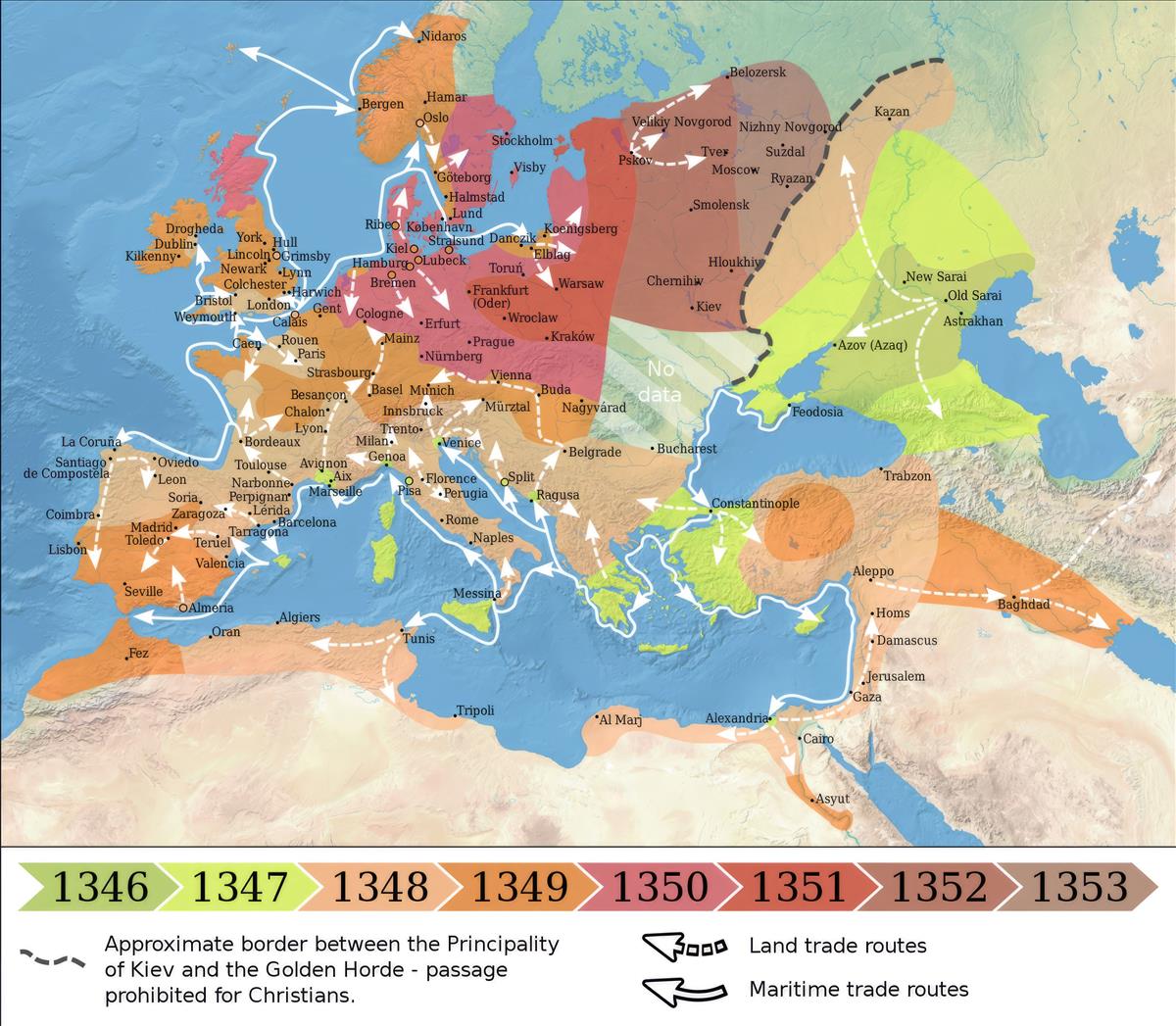
In the summer of 1348, a ship arrived at Weymouth port but the crew were unaware that, along with their goods, the ship was carrying a deadly cargo: the Black Death. Within a few days, hundreds of men, women and children would be infected. Within a few months, around one-third of the population of England would be dead.
Its arrival was documented in the Greyfriars’ Chronicle: “In this year 1348 in Melcombe, in the county of Dorset, a little before the feast of St John the Baptist, two ships, one of them from Bristol came alongside. One of the sailors had brought with him from Gascony the seeds of the terrible pestilence, and through him, the men of that town of Melcombe were the first in England to be infected.”
Weymouth may have suffered the first casualties but not the last, as it is estimated that 40 to 60 per cent of the English population died. It is believed there were six million people in England – mainly in the countryside as the city of London was much smaller with only 70,000 inhabitants. It devasted the rural community and the plague, carried by fleas from rats, would kill a person within a few days.
The labour shortage, particularly on farms, led to a significant wage increase. However, King Edward III intervened and set pay at pre-plague levels. This decision, among other factors, sparked the Peasants’ Revolt in 1381, a pivotal event in the country's social history.
All these years later, children still sing the rhyme Ring-a-ring o’ Roses or Ring Around the Rosie – the “Rosie” being the rash that appeared on the skin of those infected, the stench of which then needed concealing with a “pocket full of posies”.
Did we learn from this terrible plague? In the 15th century, laws were introduced to quarantine people and goods from infected places, ban public gatherings, and enforce household quarantining. Sounds familiar…
Thankfully, Weymouth today is renowned for more than the source of the Black Death! With its pretty harbour and award-winning beaches, the town recently received a Blue Flag and Seaside Award for another year. It’s a regular top nominee in tourism awards, a destination for staycations and holidays, and a fantastic place to live. Click here to see some of the superb properties currently for sale through Symonds & Sampson
The article is on page P87 of Country Matters 2024 (below), or you can call your nearest Symonds & Sampson office to collect your free copy.